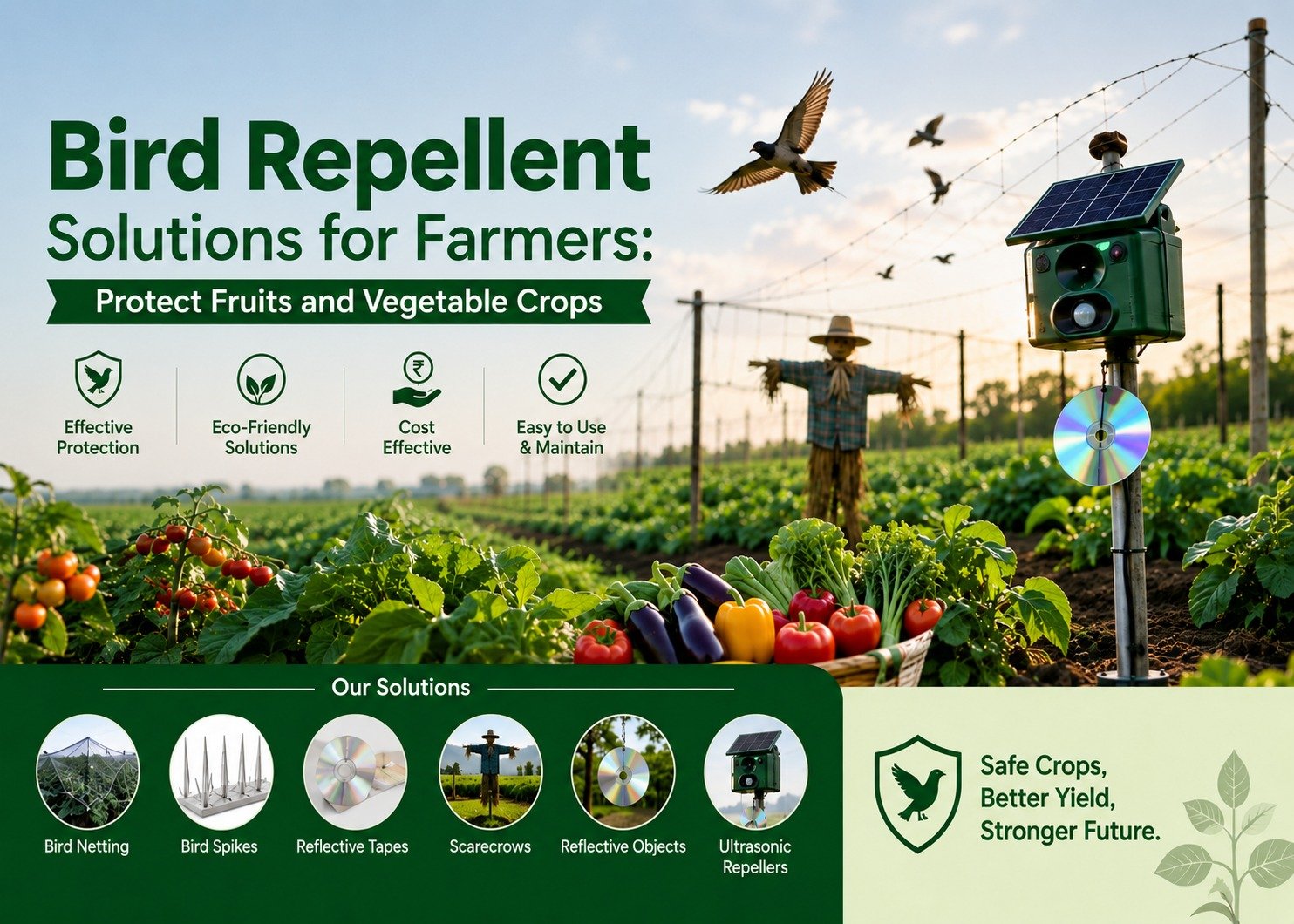
Protecting Paddy Fields from Wild Animals: Best Organic Solutions

Introduction
Imagine spending months nurturing your paddy crop, only to find large sections of your field damaged overnight by wild animals. For many farmers, this is not just a frustrating experience—it’s a significant financial loss. Effective crop protection from wild animals has become one of the biggest challenges in modern agriculture, especially in regions where paddy fields are located close to forests, grasslands, or animal migration routes.
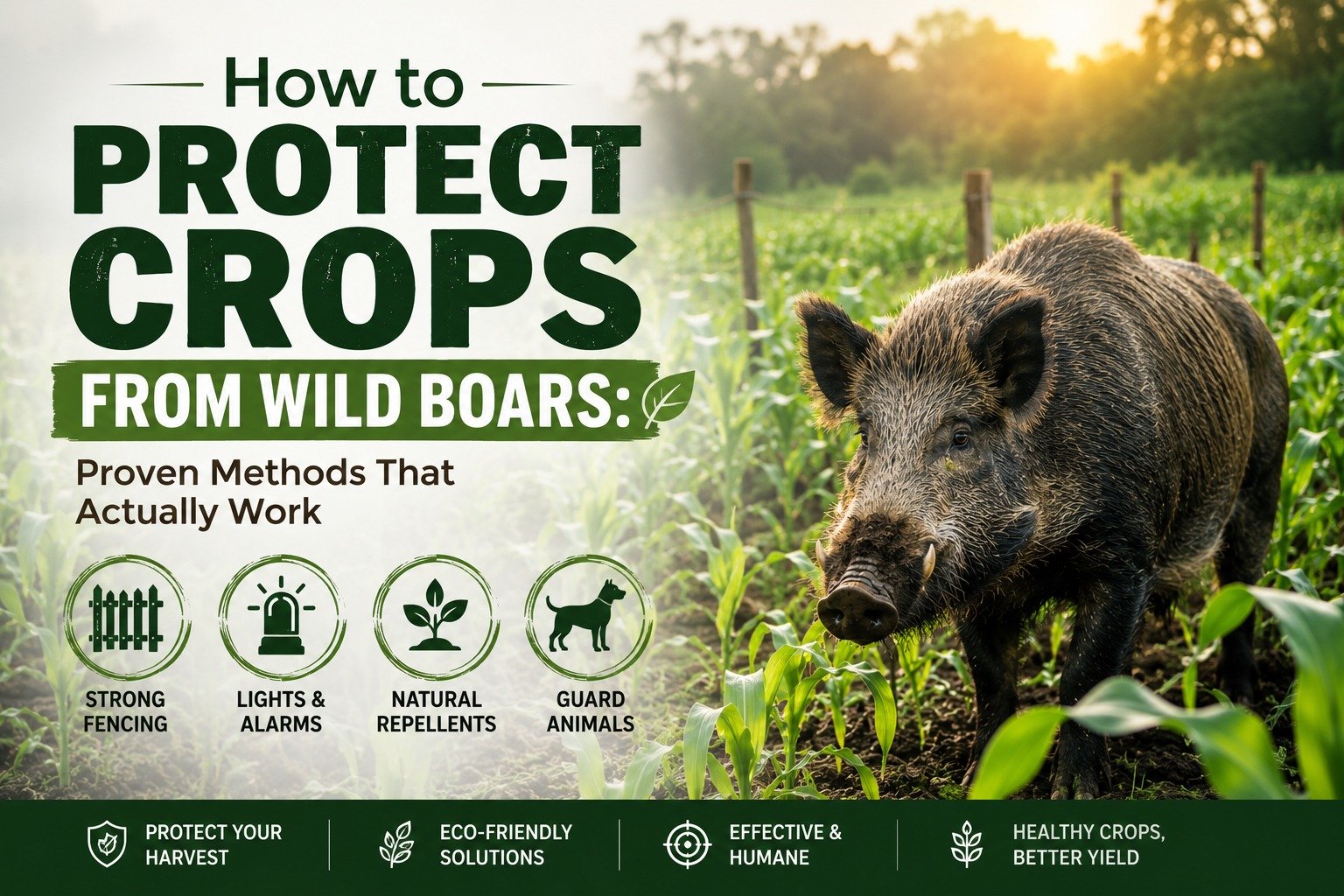
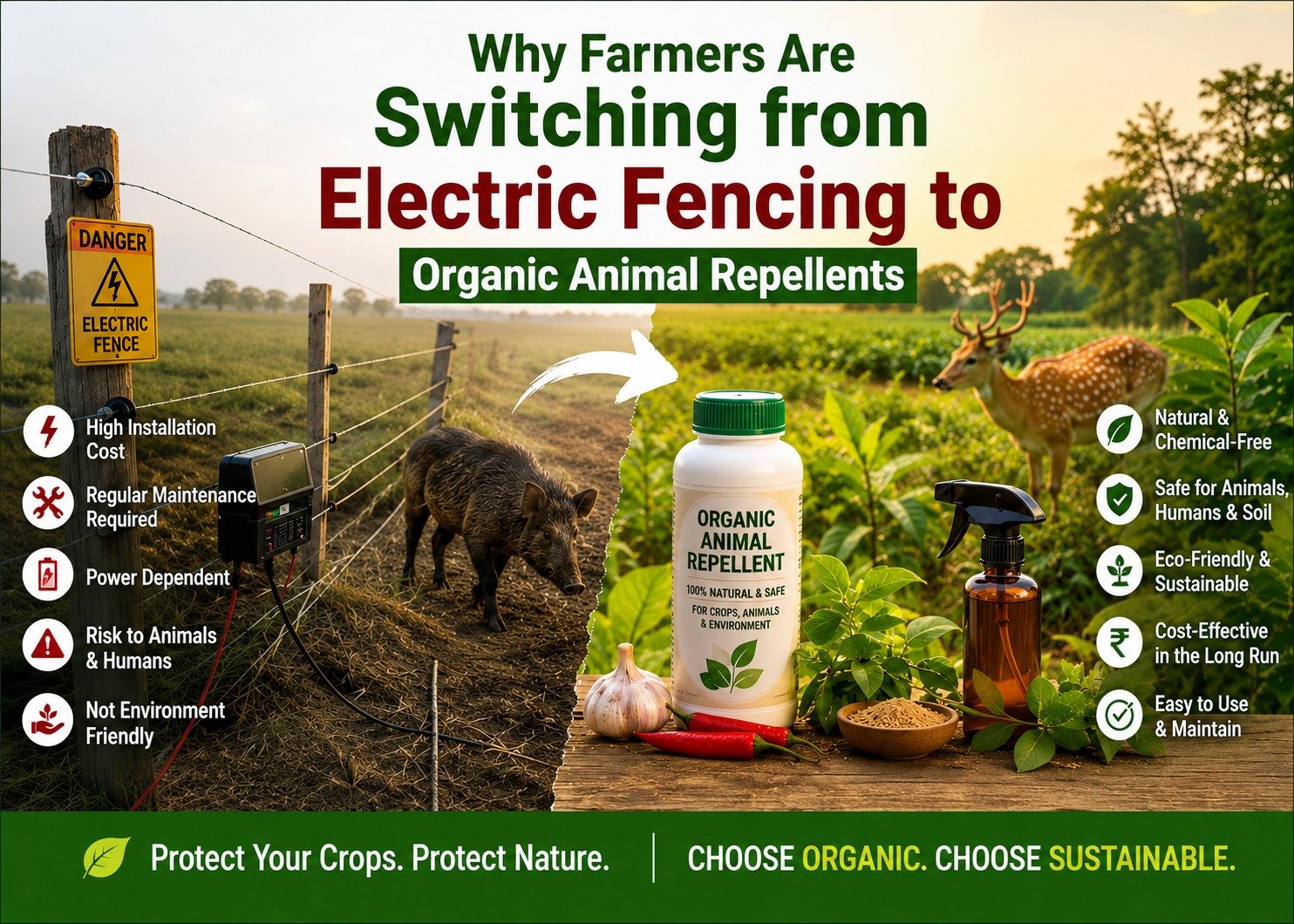
Wild boars, deer, monkeys, elephants, and other animals often enter agricultural lands in search of food, causing extensive damage to crops. Fortunately, farmers no longer have to rely solely on harmful chemicals or expensive fencing systems. Today, several eco-friendly and organic methods can help ensure reliable paddy field protection while promoting sustainable farming practices.
In this guide, we’ll explore the best organic strategies for animal damage prevention, improve farm security, and protect your hard-earned harvest.
Why Wild Animals Target Paddy Fields
Paddy fields provide an attractive food source for many wild animals. As natural habitats shrink due to urbanization and changing land use patterns, animals increasingly venture into agricultural areas.
Common Animals That Damage Paddy Fields
- Wild boars
- Deer
- Monkeys
- Elephants
- Nilgai (Blue Bull)
- Rabbits
- Porcupines
These animals can destroy young seedlings, trample mature crops, and reduce overall yield. This makes crop protection from wild animals a critical aspect of successful paddy farming.
The Importance of Organic Paddy Field Protection
Many traditional methods involve chemical repellents that may affect soil health, water quality, and beneficial organisms. Organic solutions provide a safer alternative while maintaining environmental balance.
Benefits of Organic Paddy Field Protection
- Environmentally friendly
- Safe for humans and livestock
- No chemical residue in crops
- Long-term sustainability
- Improved soil health
- Cost-effective solutions
Farmers looking for sustainable farm security options are increasingly turning toward organic methods to safeguard their fields.
Best Organic Solutions for Animal Damage Prevention
1. Natural Repellent Sprays
Organic repellents made from ingredients such as garlic, neem, chili, and citrus extracts can discourage animals from entering fields.
These natural odors create an unpleasant environment for animals without harming them. Regular application around field boundaries can significantly improve animal damage prevention.
2. Bio-Based Protective Barriers
Creating natural barriers around paddy fields is another effective strategy.
Farmers often use:
- Thorny shrubs
- Bamboo fencing
- Living hedges
- Dense vegetation borders
These barriers act as a first line of defense and contribute to effective paddy field protection while supporting biodiversity.
3. Solar-Powered Farm Security Systems
Technology has transformed modern farming practices. Solar-powered deterrent systems provide an environmentally friendly way to keep wild animals away.
These systems often use:
- Flashing lights
- Sound alerts
- Motion sensors
- Automated warning systems
Many farmers now rely on advanced farm security solutions from trusted agricultural technology providers to reduce crop losses while maintaining sustainable farming practices. Modern deterrent systems help protect crops without causing harm to wildlife, making them an effective choice for long-term farm management.
4. Reflective Devices and Visual Deterrents
Animals are often cautious around unfamiliar visual stimuli.
Organic deterrent options include:
- Reflective tapes
- Shiny discs
- Rotating mirrors
- Reflective ribbons
When placed strategically around field boundaries, these devices help strengthen crop protection from wild animals without causing harm.
5. Community-Based Monitoring
In many agricultural regions, neighboring farmers work together to monitor animal movement.
Benefits Include:
- Early warning systems
- Shared security measures
- Reduced individual costs
- Better protection of larger farming areas
Collective efforts often result in stronger animal damage prevention outcomes than isolated farm-level measures.
Modern Organic Farm Security Solutions
As farming challenges evolve, technology-driven organic solutions are becoming increasingly popular.
Modern Farm Security Systems Focus On:
- Non-lethal animal deterrence
- Sustainable energy usage
- Automated monitoring
- Real-time alerts
Innovative agricultural security providers are developing solutions specifically designed for modern farming environments. These systems help farmers maintain effective paddy field protection through intelligent monitoring, non-lethal deterrents, and sustainable technologies that work in harmony with nature.
Signs That Your Paddy Field Needs Better Protection
Many farmers underestimate animal activity until significant crop loss has already occurred.
Frequent Footprints
Animal tracks around field boundaries often indicate repeated visits.
Damaged Seedlings
Young paddy plants are particularly vulnerable to grazing animals.
Flattened Crop Areas
Trampled sections may suggest the presence of larger animals such as wild boars or elephants.
Broken Fencing
Repeated damage to fences often signals ongoing animal intrusion.
Identifying these signs early allows farmers to implement stronger crop protection from wild animals before losses become severe.
Best Practices for Long-Term Paddy Field Protection
Protecting crops requires a combination of preventive strategies rather than relying on a single solution.
Conduct Regular Field Inspections
Frequent monitoring helps identify vulnerabilities and animal activity patterns.
Maintain Boundary Areas
Clear vegetation and repair damaged barriers promptly.
Use Multiple Deterrents
Combining visual, sound-based, and physical deterrents increases effectiveness.
Adopt Smart Security Solutions
Investing in advanced farm security technology can provide long-term protection and peace of mind.
Choose Sustainable Methods
Organic solutions help preserve both agricultural productivity and environmental health.
Farmers seeking reliable and eco-friendly protection systems should look for solutions that combine sustainability, automation, and animal-friendly deterrent technologies. Investing in the right farm security system can significantly reduce crop losses while supporting responsible farming practices.
Balancing Agriculture and Wildlife Conservation
Protecting crops should not come at the expense of wildlife conservation. Sustainable farming practices aim to create a balance where both agriculture and wildlife can coexist.
Organic animal damage prevention strategies focus on deterrence rather than harm. By adopting humane and environmentally responsible solutions, farmers can reduce losses while contributing to biodiversity conservation.
This balanced approach supports long-term agricultural success and healthier ecosystems.
Conclusion
Wild animal intrusion remains one of the most significant challenges faced by paddy farmers today. However, effective crop protection from wild animals is possible through a combination of organic barriers, natural repellents, community cooperation, and modern farm security technologies.
Implementing reliable paddy field protection measures not only safeguards yields but also supports sustainable farming practices. By focusing on humane and eco-friendly methods of animal damage prevention, farmers can protect their livelihoods while preserving the natural environment.
Whether you’re managing a small farm or large agricultural land, investing in the right farm security solutions can make a substantial difference in crop productivity and peace of mind.
Frequently Asked Questions (FAQs)
1. What animals commonly damage paddy fields?
Wild boars, deer, monkeys, elephants, rabbits, porcupines, and nilgai are among the most common animals that damage paddy crops.
2. What is the best organic method for crop protection from wild animals?
A combination of natural repellents, bio-based barriers, reflective devices, and solar-powered deterrent systems often provides the best results.
3. Are organic animal deterrents safe for the environment?
Yes. Organic deterrents are designed to repel animals without harming wildlife, soil health, water sources, or beneficial organisms.
4. How can technology help with paddy field protection?
Modern systems use motion sensors, sound alerts, flashing lights, and solar-powered security devices to deter animals and monitor field activity.
5. Where can farmers find sustainable farm security solutions?
Farmers can explore innovative and eco-friendly crop protection solutions at https://shimogabrands.com/ to improve field security and reduce crop losses.