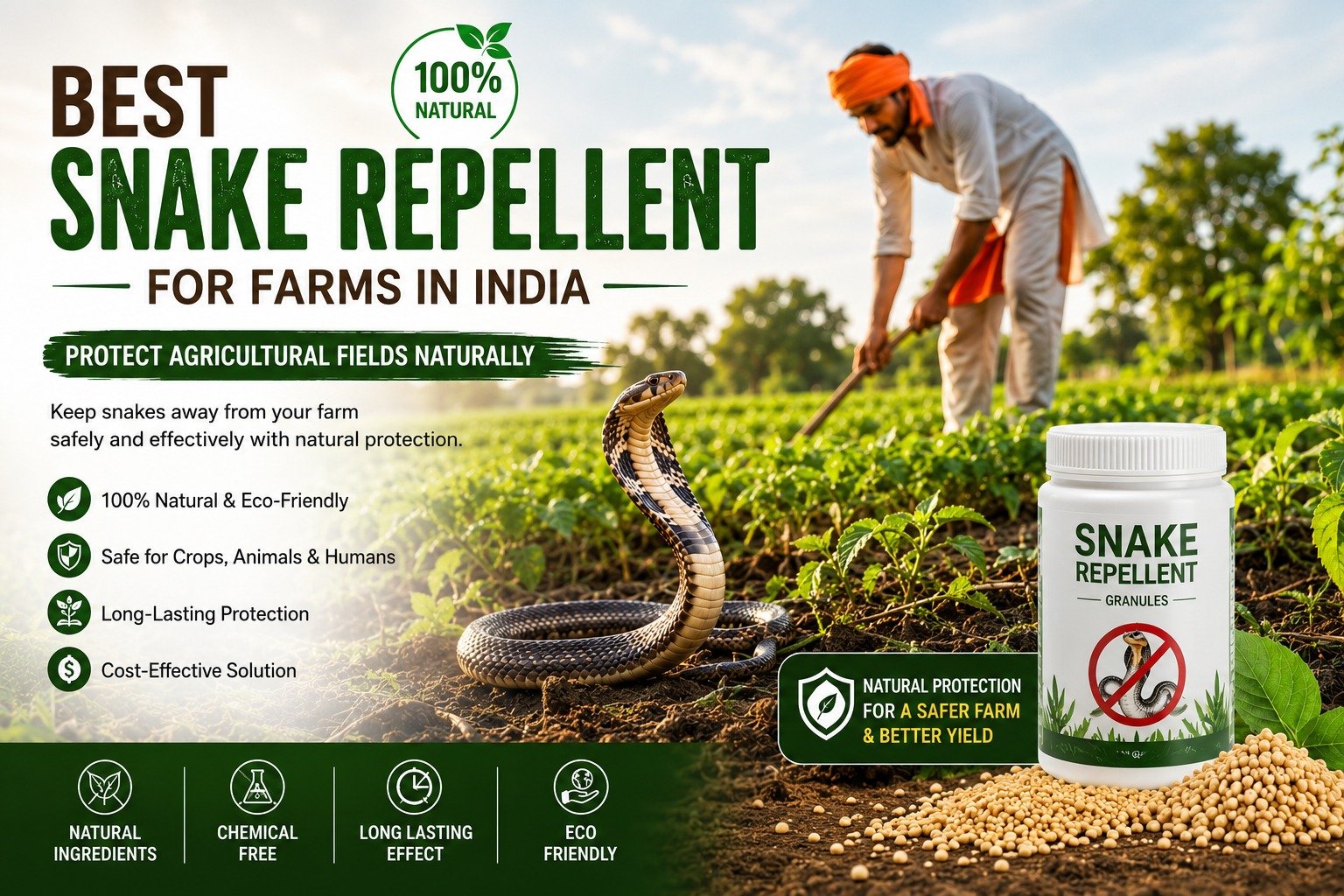
How to Protect Crops from Wild Boars Without Electric Fencing

Introduction
Imagine waking up after months of hard work only to find your crops trampled, uprooted, and destroyed overnight. For many Indian farmers, this is a harsh reality caused by wild boars.
As wild boar populations increase near agricultural areas, farmers are actively searching for ways to protect crops from wild boars without electric fencing.
While electric fencing is often considered a solution, it can be expensive, require regular maintenance, and may not always be practical for every farm. Fortunately, there are safer, cost-effective, and eco-friendly alternatives that can help farmers reduce crop damage while supporting sustainable farming practices.
Why Wild Boars Are a Major Threat to Farms
Wild boars are highly adaptable animals that can cause extensive damage in a short period. They are known for rooting through soil, destroying young plants, and feeding on crops such as paddy, maize, sugarcane, groundnuts, vegetables, and fruits.
Unlike some other farm pests, wild boars often travel in groups, making the damage even more severe. This is why finding effective ways to protect crops from wild boars without electric fencing has become a priority for many farmers across India.
Limitations of Electric Fencing
Although electric fencing can act as a barrier, it comes with several challenges:
- High installation costs
- Regular maintenance requirements
- Dependence on power supply
- Potential safety concerns for people and animals
- Reduced effectiveness if damaged or poorly maintained
For small and medium-scale farmers, these factors can make electric fencing less practical as a long-term solution.
Alternative Ways to Protect Crops from Wild Boars
1. Use Organic Animal Repellents
One of the most effective and environmentally responsible methods is using organic animal repellents. These products are designed to create an unpleasant sensory experience that discourages wild boars from entering farm areas.
Unlike harmful chemicals, organic repellents focus on deterring animals without causing injury. Many farmers are now adopting solutions developed specifically for Indian agricultural conditions through innovative farm protection platforms such as AgriSheild.
2. Create Natural Boundary Zones
Planting thorny shrubs or creating buffer zones around fields can help discourage wild boars from entering cultivated areas. Dense natural barriers can make access more difficult and reduce the likelihood of animal intrusion.
Combining natural barriers with other preventive measures often delivers better results than relying on a single method.
3. Improve Farm Monitoring
Wild boars are most active during the evening and nighttime hours. Regular monitoring, motion sensors, and solar-powered lights can help farmers detect activity early and take preventive action before significant damage occurs.
Many successful farmers use a combination of monitoring and organic deterrents for improved protection.
4. Maintain Clean Farm Boundaries
Overgrown vegetation around farms can provide shelter and easy access routes for wild boars. Keeping field boundaries clean and removing unnecessary hiding spots can reduce animal movement near crops.
This simple step is often overlooked but can contribute significantly to farm protection efforts.
Why Organic Solutions Are Gaining Popularity
Modern farmers are increasingly looking for sustainable ways to protect crops from wild boars without electric fencing. Organic repellents are becoming popular because they align with environmentally friendly farming practices while helping reduce crop losses.
Unlike conventional methods that may require significant infrastructure investment, organic solutions are generally easier to deploy and integrate into existing farm management routines.
Farmers exploring advanced wildlife management solutions often look toward agricultural protection specialists such as AgriSheild, which focuses on developing practical farm safety products designed for Indian farming conditions.
Choosing the Right Wild Boar Protection Strategy
Every farm is different, and the best solution depends on factors such as crop type, farm size, local wildlife activity, and budget.
When evaluating options, farmers should consider:
- Ease of application
- Long-term affordability
- Environmental impact
- Safety for workers and livestock
- Effectiveness against wild boars
Many agricultural experts recommend combining multiple preventive measures to create a stronger protection system.
A Sustainable Future for Farm Protection
As agriculture continues to evolve, farmers are moving away from solutions that are expensive, difficult to maintain, or potentially harmful to the environment. The focus is shifting toward smarter and more sustainable methods.
Innovative agricultural brands like AgriSheild are helping drive this transition by offering solutions that support both farm productivity and environmental responsibility. Their approach reflects the growing demand for practical alternatives to traditional wildlife control methods.
Conclusion
Wild boars can cause serious financial losses and emotional stress for farmers. However, electric fencing is not the only option available. By using organic repellents, improving farm monitoring, maintaining clean boundaries, and adopting sustainable farm protection practices, farmers can successfully protect crops from wild boars without electric fencing.
As more farmers embrace eco-friendly solutions, organizations like AgriSheild continue to play an important role in supporting safer and smarter agricultural protection strategies. The future of farm protection lies in methods that safeguard crops while respecting nature and promoting long-term sustainability.